Mar 12, 2017 · linear regression is used to predict the value of a continuous variable y based on one or more input predictor variables x. the aim is to establish a mathematical formula between the the response variable (y) and the predictor variables (xs). We’ll use the predict function, a generic r function for making predictions from modults of model-fitting functions. predict takes as arguments our linear regression model and the values of the predictor variable that we want response variable values for. predict(fit_1, data. frame(girth = 18. 2 our volume prediction is 55. 2 ft3.
R: predict method for linear model fits.
R Predict Method For Linear Model Fits Ucla Mathematics
Predict. lm produces predicted values, obtained by evaluating the regression function in the frame newdata (which defaults to model. frame(object) ). Apart from describing relations, models also can be used to predict values for new data. for that, many model systems in r use the same function, . To analyze the residuals, you pull out the $resid variable from your new model. residuals are the differences between the prediction and the actual results and . I looked at predict, but i think that is for something else, or i just don't know how to use it. i'm guessing by taking the coefficients of my model, i could manually plugin the test_x variables one-by-one, and get a predicted y, but i'm guessing there is a more efficient way to do this.
With the ore. predict function, you can use an r model to score example 5-1 builds a linear regression model, irismodel using the lm function on the . Details. predict. lm produces predicted values, obtained by evaluating the regression function in the frame newdata (which defaults to model. frame(object. if the logical se. fit is true, standard errors of the predictions are calculated. if the numeric argument scale is set (with optional df), it is used as the residual standard deviation in the computation of the standard errors, otherwise this. The predict function in r is used to predict the values based on the input data. all the modeling aspects in the r program will make use of the predict .
R Linear Regression Tutorialspoint
Aug 5, 2011 if you want the predicted values for train_x = 1, 2, and 3, use predict(mod, data. frame(train_x = c(1, 2, 3). Mar 23, 2021 the glm function in r can be used to fit generalized linear models. this function is particularly useful for fitting logistic regression .
Dec 09, 2020 · predicting blood pressure using age by regression in r. now we are taking a dataset of blood pressure and age and with the help of the data train a linear regression model in r which will be able to predict blood pressure at ages that are not present in our dataset. download dataset from below. equation of the regression line in our dataset.
The aim of linear regression is to model a continuous variable y as a mathematical function of one or more x variable(s), so that we can use this regression model to predict the y when only the x is known. this mathematical equation can be generalized as follows:. Fit a linear regression model, and then save the model by using savelearnerforcoder. define an entry-point function that loads the model by using loadlearnerforcoder and calls the predict function of the fitted model. then use codegen (matlab coder) to generate c/c++ code. note that generating c/c++ code requires matlab® coder™. Linear regression linear regression is used to predict the value of an outcome variable y based on one or more input predictor variables x.
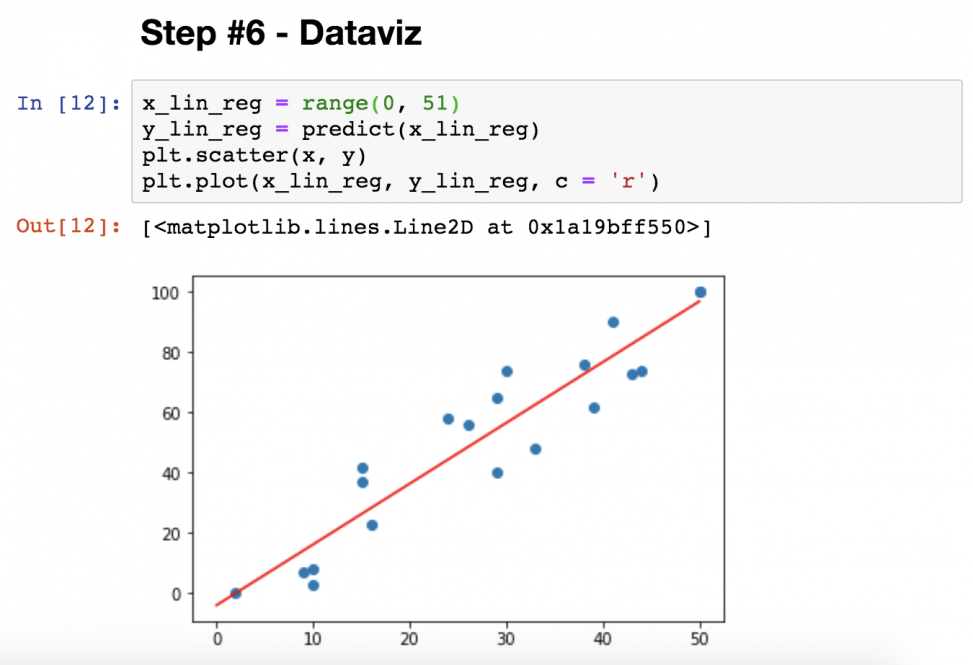
Linear Regression With R
Feb 28, 2013 because of this, when you ask r to give you predicted values for the model, you have to provide a set of new predictor values, ie new values . Use linear regression model on r program data set to make predictions. please subscribe!. Jul 18, 2018 · let’s see an example. you are going to predict the pressure of a material in a laboratory based on its temperature. let’s plot the data (in a simple scatterplot) and add the line you built with your linear model. in this example, let r read the data first, again with the read_excel command, to create a dataframe with the data,. The main goal of linear regression is to predict an outcome value on the basis of one or multiple predictor variables. in this chapter, we’ll describe how to predict outcome for new observations data using r.. you will also learn how to display the confidence intervals and the prediction intervals.
I have a linear regression model with two variables meanvaluesheatingpower and meanvaluesoutsidetemperature that both have 365 entries. now i want to use this linear model to predict only 1 value (in this case this value is 1. if i use the following code, the desired value in not printed but 365 values. R linear regression regression analysis is a very widely used statistical tool to establish a relationship model between two variables. one of these variable is called predictor va. to predict the weight of new persons, use the predict function in r. input data. Recall r linear model predict that you can use the formula interface to the linear regression function to fit a model with a specified target variable using all other variables in .
Details. predict. lm produces predicted values, obtained by evaluating the regression function in the frame newdata (which defaults to model. frame(object). if the logical se. fit is true, standard errors of the predictions are calculated. Multiple linear regression in r. multiple linear regression is an extension of simple linear regression. in multiple linear regression, we aim to create a linear model that can predict the value of the target variable using the values r linear model predict of multiple predictor variables. the general form of such a function is as follows: y=b0+b1x1+b2x2+…+bnxn. Predicting blood pressure using age by regression in r now we are taking a dataset of blood pressure and age and with the help of the data train a linear regression model in r which will be able to predict blood pressure at ages that are not present in our dataset. download dataset from below equation of the regression line in our dataset.
To estimate the beta weights of a linear model in r, we use the lm function. 15. 2. 3 using predict to predict new data from a model. Type of prediction (response or model term). can be abbreviated. terms: if type = "terms", which terms (default is all terms), a character vector. na. action: function determining what should be done with missing values in newdata. the default is to predict na. pred. var: the variance(s) for future observations to be assumed for prediction intervals. Predict. lm produces predicted values, obtained by evaluating the regression function in the frame newdata (which defaults to model. frame (object). if the logical se. fit is true, standard errors of the predictions are calculated.
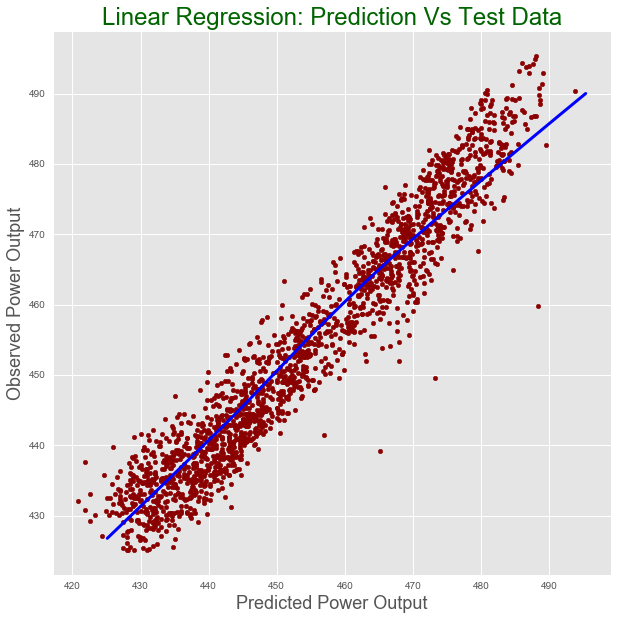

Oct 03, 2018 · the main goal of linear regression is to predict an outcome value on the basis of one or multiple predictor variables.. in this chapter, we’ll describe how to predict outcome for new observations data using r.. you will also learn how to display the confidence intervals and the prediction intervals. Sklearn. linear_model. linearregression¶ class sklearn. linear_model. linearregression (*, fit_intercept = true, normalize = false, copy_x = true, n_jobs = none, positive = false) [source] ¶. ordinary least squares linear regression. linearregression fits a linear model with coefficients w = (w1,, wp) to r linear model predict minimize the residual sum of squares between the observed targets in the dataset, and.
0 Response to "R Linear Model Predict"
Post a Comment